“Part 2 on Anxiety: “When Fear Becomes a Habit — How Anxiety Shapes Our Daily Lives“
part 2 of 7 part series on Anxiety
By Susan Adeyemi, Christian Counsellor, Life Coach & Author
“An anxious heart weighs a man down, but a kind word cheers him up.”
— Proverbs 12:25 (NIV)

Recap
In Part 1 of our series, we explored the root causes of anxiety—those hidden fears that often go unspoken but shape the way we live and relate to others. But what happens when those fears go unchecked?
Fear, when repeated long enough, becomes a habit.
And when anxiety becomes habitual, it starts shaping the entire rhythm of our daily lives—our thoughts, our choices, our relationships, and even our faith.
Today, let’s take a deeper look at how anxiety shows up in our everyday experiences, how it subtly rewires our behaviors, and what the Bible teaches us about walking in peace instead.
The Subtle Drift: When Anxiety Becomes a Lifestyle
Anxiety doesn’t usually barge in. It creeps in—slowly, subtly, consistently.
You may not wake up saying, “I’m anxious today,” but you might:
- Avoid certain conversations out of fear of conflict.
- Over-plan every detail of your schedule to avoid discomfort.
- Feel constantly exhausted from overthinking and “what-if” scenarios.
- Struggle to fall asleep or stay asleep because your mind won’t turn off.
- Seek constant reassurance from others to soothe inner doubts.
These behaviours may feel normal—but they’re signs that fear is quietly driving your life.
Daily Signs That Anxiety Is Leading
Here are five common ways anxiety can become part of your daily routine—often without you even realizing it:
1. Overthinking Every Decision
You’re afraid of making the wrong move, so you analyze, second-guess, and mentally rehearse every outcome. But this robs you of peace in the present.
“Therefore do not worry about tomorrow, for tomorrow will worry about itself.” — Matthew 6:34
2. Constant People-Pleasing
You say yes when you mean no. You shrink your voice to avoid disapproval. Fear of rejection drives you to perform instead of rest in who God says you are.
“For am I now seeking the approval of man, or of God?” — Galatians 1:10
3. Avoiding Challenges or Risks
You avoid applying for that job, initiating a hard conversation, or stepping into a calling because you feel unqualified or afraid of failing.
“God has not given us a spirit of fear, but of power, love, and a sound mind.” — 2 Timothy 1:7
4. Seeking Control at All Costs
From micromanaging your schedule to monitoring others’ reactions, you feel safe only when things go your way. But control is exhausting—and ultimately not ours to hold.
“Be still, and know that I am God.” — Psalm 46:10
5. Physical Strain and Fatigue
Your body keeps the score by recording all the pressure from unnecessary worry. Chronic tension, headaches, sleeplessness, and stomach issues can all be signs of inner unrest. God designed us for peace—not chronic stress.
“Come to Me, all who are weary and burdened, and I will give you rest.” — Matthew 11:28
Biblical Examples: They Battled Anxiety Too
The Bible is filled with real people who wrestled with fear and anxiety. Here are just a few:
🔹 Elijah — The Burned-Out Prophet (1 Kings 19)
After a great spiritual victory, Elijah ran away in fear when Queen Jezebel threatened his life. He isolated himself, became discouraged, and asked God to take his life. But God met him with rest, food, and a gentle whisper.
Takeaway: Even spiritual leaders face anxiety. God meets us with compassion, not condemnation.
🔹 Martha — The Anxious Host (Luke 10:38–42)
While Jesus visited her home, Martha became “worried and upset about many things,” trying to serve perfectly. Jesus gently reminded her that only “one thing is needed”—and Mary had chosen it by sitting at His feet.
Takeaway: Anxiety often pulls us into performance. Jesus invites us into presence.
🔹 David — The Troubled Psalmist (Psalm 55)
David often poured out his anxious heart to God: “Fear and trembling have beset me… I said, ‘Oh, that I had the wings of a dove! I would fly away and be at rest.’” But through his laments, he returned to trust.
Takeaway: God welcomes our raw, unfiltered prayers—and anchors us through them.
From Fear to Freedom: What Can We Do?
Breaking free from habitual anxiety doesn’t happen overnight—but it starts with awareness and surrender.
Here’s how we begin:
1. Recognize the Pattern
Pay attention to recurring thoughts, behaviors, and triggers. Ask the Holy Spirit to reveal where fear is operating in your daily life.
2. Return to God’s Presence
Like Elijah, David, and Martha, draw near to God in your anxious moments. Let His truth replace the lies fear tells you.
3. Renew Your Mind with Scripture
Replace worry with the Word. Meditate on promises like:
- Isaiah 41:10: “Do not fear, for I am with you…”
- Philippians 4:7: “The peace of God… will guard your hearts and minds.”
4. Practice Practical Peace
- Take deep breaths and pause in God’s presence.
- Limit mental clutter by simplifying your focus.
- Talk with a trusted friend, mentor, or counselor.
- Write down truths to anchor you when anxiety hits.
Let’s Talk: How Is Anxiety Showing Up in Your Life?
Now it’s your turn.
Have you noticed any of these anxiety habits in your own life?
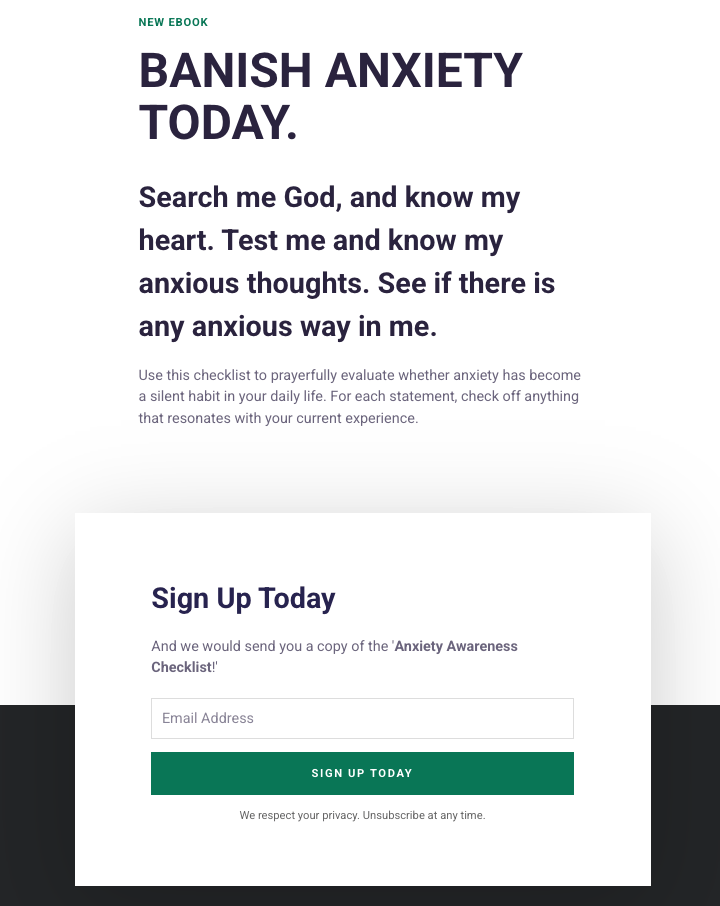
How has fear shaped your decisions, your relationships, or your walk with God? Use the checklist below to review your current experience with anxiety.
Share your story in the comments and with others.
Your experience can bring light and encouragement to someone else navigating the same struggle. If this post helped you, share it with a friend who may be silently battling fear.
Final Thought: Jesus Is the Peace You’re Searching For
Let’s close with this promise:
“Peace I leave with you; My peace I give you. I do not give to you as the world gives. Do not let your hearts be troubled and do not be afraid.” — John 14:27
When fear becomes a habit, Jesus offers a better way—a rhythm of rest, trust, and peace that doesn’t depend on circumstances.
You’re not alone, friend. Let’s walk this road together, one step—and one surrendered fear—at a time.










Interesting read! Loved the references to scriptures.