Narcissistic Abuse Series

By Susan Adeyemi, Counsellor, & Author
What is Narcissistic Abuse?
Narcissistic abuse is a subtle yet deeply damaging form of emotional and psychological manipulation. It begins with what appears to be love and admiration, a whirlwind of affection that makes you feel special and chosen. Over time, this façade fades, replaced by criticism, gaslighting, and emotional withdrawal. The shift is gradual, leaving you questioning what changed and often blaming yourself for it.
You’re not imagining it. The first step toward healing is understanding that narcissistic abuse is real and that its effects are profound.
Bethesda Ark
This pattern follows a cycle of love bombing (or idealisation), devaluation, intermittent-reinforcement and discard. In the love bombing or idealisation phase, you’re placed on a pedestal. During devaluation, you’re subtly torn down. Intermittent re-inforcement aims to manipulate and control your emotions and draw you back into feeling safe in an abusive narcissistic relationship. Finally, in the discard phase, you’re abandoned or replaced, often without closure. This cycle can repeat endlessly, trapping you in confusion as you wait for the “good times” to return. Check out my full bog post on Trauma Bonding HERE.
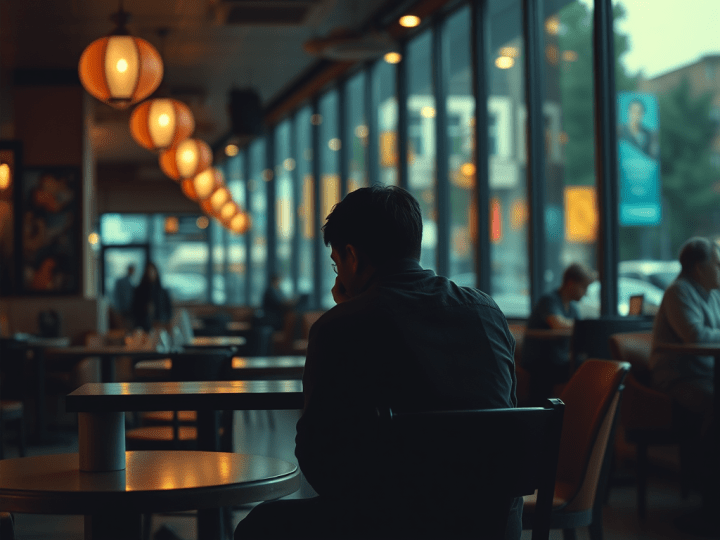
The most painful aspect of narcissistic abuse is its invisibility. From the outside, everything may look fine. The narcissist’s charm and charisma mask the emotional chaos within the relationship. Victims often remain silent, confused, and alone. Most times, they are left feeling unsure whether what they’re experiencing even qualifies as abuse.
You’re not imagining it. The first step toward healing is understanding that narcissistic abuse is real and that its effects are profound.
Counsellor’s Corner
As we begin this series, I invite you to reflect:
1) Have you ever questioned if what you experienced was narcissistic abuse?
2) How do you guard your heart from the pain, rage, betrayal and hatred caused by exposure to this abusive pattern?
- Reflect on each part by writing in your journal.
- Feel free to share which part resonates most with you in the comments below.
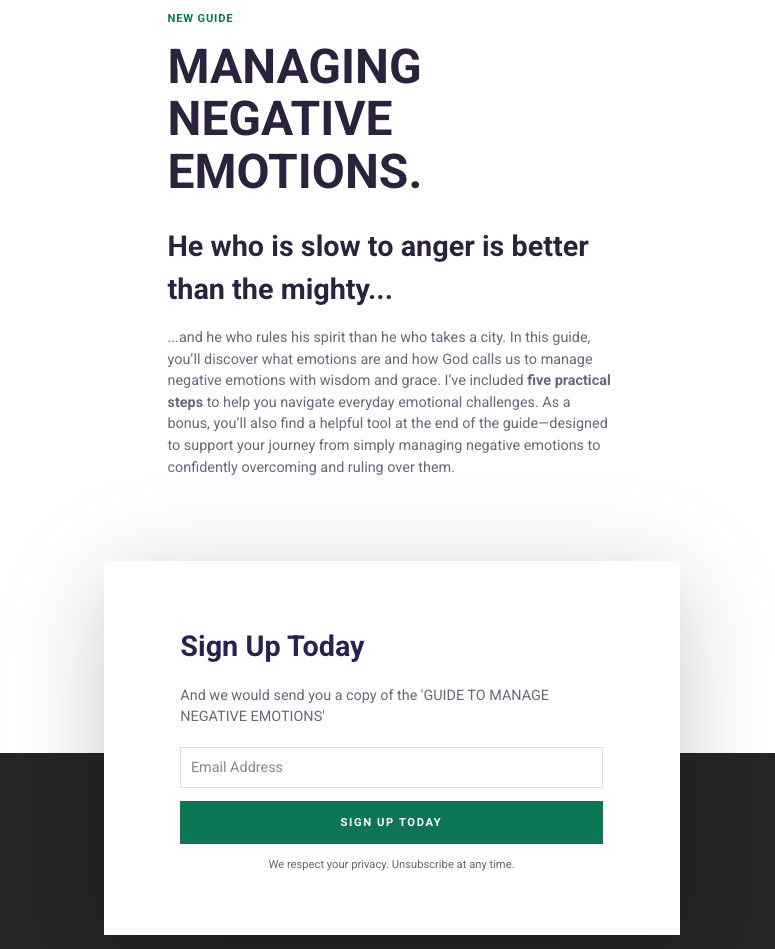
- Download a copy of “Managing Negative Emotions Guide”
- Join my community to engage in prayers and accountability.
You can also book a free 30 minutes consultation with me (below) to unpack negative thinking patterns.
Share your story in the comments and with others. Your experience can bring light and encouragement to someone else navigating the same struggle. If this post helped you, share it with a friend who may be silently battling fear