Part 4 of 11 part series: The Impact of Betrayal on Our Hearts

By Susan Adeyemi, Counsellor, & Author

- When Trust Shatters: The Emotional Toll of Being Betrayed
- 1. Shock and Disbelief: “This Can’t Be Real”
- 2. Anger: The Cry for Justice
- 3. Grief: Mourning What Was Lost
- 4. Fear and Anxiety: “Can I Trust Again?”
- 5. Shame: Blaming Ourselves for the Hurt
- Conclusion: God Heals Broken Trust
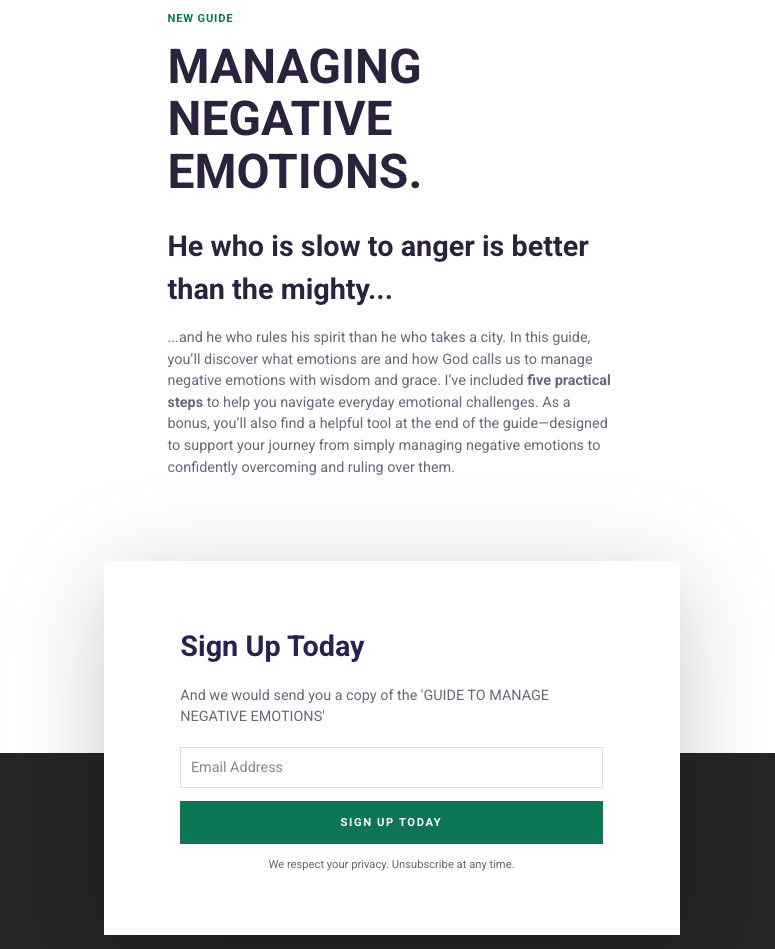
- GET YOUR GUIDE ON MANAGING NEGATIVE EMOTIONS
- Related Articles
Last week, we continued on the topic of betrayal where we examined the emotions we feel from experiencing betrayal. This week, we are going deeper to examine how betrayal can take a toll on our emotions. I introduce biblical figures that also experienced betrayal and invite you ate the end to take up space within yourself to examine your own emotions.
Many people don’t realise how much of an indelible mark betrayal leaves on the person that experienced this level of pain until they consciously take the time needed to acknowledge, reflect, learn from the experience and heal. So, if you have ever experienced betrayal in the past and feel like you struggle to trust people again, you’re not alone.
In other articles, I talk about narcissistic abuse and how to heal from it. I refer to narcissistic abuse because when an individual becomes free of that experience, one of the emotions they would come in contact with as they begin healing is a sense of deep betrayal. They may have questions like, ‘was the relationship ever real’, ‘did the accused know all along that he/she was not invested long term in the relationship?’, ‘was I deceived all those years?’. I also share a brief snippet of my own personal story, and some difficult emotions I had to wrestle with on the onset of my healing journey – HERE.
When Trust Shatters: The Emotional Toll of Being Betrayed
Few experiences cut as deeply as betrayal. When someone we trust chooses deceit, disloyalty, or dishonesty, it doesn’t just break a promise, it breaks the heart. Unlike casual disappointment, betrayal shakes the very foundation of trust that relationships are built on.
So what happens inside us when trust shatters? Let’s look at the emotional toll betrayal leaves behind and how God invites us to process it in His presence.
1. Shock and Disbelief: “This Can’t Be Real”
The first reaction to betrayal is often shock. Life suddenly feels unstable, and we question everything we thought we knew.
- “How could they do this to me?”
- “Did I miss the signs?”
- “Was the relationship ever real?”
This emotional whiplash is exactly what David felt when betrayed by his close friend:
“If an enemy were insulting me, I could endure it… but it is you, a man like myself, my companion, my close friend.” – Psalm 55:12–13
Shock is the soul’s way of protecting itself while it tries to make sense of what feels senseless.
2. Anger: The Cry for Justice
Anger is another common response. It rises up because betrayal feels unjust. Anger itself is not sin, it signals that something sacred was violated. But when left unchecked, anger can harden into bitterness.
“In your anger do not sin: Do not let the sun go down while you are still angry.” – Ephesians 4:26
Surrendered to God, anger can motivate healthy boundaries and remind us to lean on His perfect justice instead of taking vengeance into our own hands.
3. Grief: Mourning What Was Lost
Betrayal always involves loss, the loss of trust, intimacy, safety, and sometimes the relationship itself. This grief is real and valid.
The psalms are filled with lament, showing us that sadness has a place in the life of faith:
“The Lord is close to the brokenhearted and saves those who are crushed in spirit.” – Psalm 34:18
Grief, though painful, is also a pathway toward healing when we allow God to walk with us in it.
4. Fear and Anxiety: “Can I Trust Again?”
After betrayal, fear often lingers. We hesitate to trust others. We question motives. We build walls to protect ourselves. While some caution is wise, fear-driven living can isolate us from the relationships God designed us for.
Paul reminds us of a better foundation:
“For God has not given us a spirit of fear, but of power and of love and of a sound mind.” – 2 Timothy 1:7
God’s Spirit empowers us to move forward, not with naïveté, but with courage and wisdom.
5. Shame: Blaming Ourselves for the Hurt
One of betrayal’s cruellest effects is shame. We often internalize the hurt, wondering: “Was I not enough? Did I do something to cause this?”
But betrayal says more about the betrayer’s choices than the betrayed person’s worth. Even Jesus, who loved perfectly, was betrayed. That truth reminds us: betrayal is not proof of our failure, it’s evidence of the brokenness of the human heart.
Conclusion: God Heals Broken Trust
When trust shatters, the emotional toll is heavy; shock, anger, grief, fear, and shame can feel overwhelming. But God does not leave us in our pain. He draws near to the wounded, and His presence is the beginning of restoration.
“He heals the brokenhearted and binds up their wounds.” – Psalm 147:3
- Which of these emotions have you wrestled with most deeply after betrayal?
- How has God met you in the middle of that pain?
- Share which part resonates most with you in the comments below.
- Download a copy of “Managing Negative Emotions Guide”
- Join my community to engage in prayers and accountability.
Book a free 30 minutes consultation with me (below) to unpack negative thinking patterns.
Use the GUIDE BELOW to evaluate your emotions. It also offers practical and biblical methods to manage negative emotions experienced in betrayal.
GET YOUR GUIDE ON MANAGING NEGATIVE EMOTIONS
Share your story in the comments and with others.
Your experience can bring light and encouragement to someone else navigating the same struggle. If this post helped you, share it with a friend who may be silently battling fear