Part 8 of 11 part series: Betrayal And Relationships

By Susan Adeyemi, Counsellor, & Author

Last week, we continued on the topic of betrayal where we explored the possibility of rebuilding trust again after being betrayed. This week, we would continue exploring topic of rebuilding trust again. We look at areas where a wounded person may choose to build walls, bridges, with the aim of not getting hurt again. Though safe, if these are built for self-preservation, it could affect your ability to heal and recover because shutting people out only undermines the full potential to heal and be restored back to healthy relationships.
Many people don’t realise how much of an indelible mark betrayal leaves on the person that experienced this level of pain until they consciously take the time needed to acknowledge, reflect, learn from the experience and heal. So, if you have ever experienced betrayal in the past and feel like you struggle to trust people again, you’re not alone.
In other articles, I talk about narcissistic abuse and how to heal from it. I refer to narcissistic abuse because when an individual becomes free of that experience, one of the emotions they would come in contact with as they begin healing is a sense of deep betrayal. They may have questions like, ‘was the relationship ever real’, ‘did the accused know all along that he/she was not invested long term in the relationship?’, ‘was I deceived all those years?’. I also share a brief snippet of my own personal story, and some difficult emotions I had to wrestle with on the onset of my healing journey – HERE.
Walls or Bridges? Choosing Connection After Being Hurt
When betrayal wounds us, the temptation is strong to withdraw, build walls, and vow never to be hurt again. Self-protection feels safer than risking another disappointment. Yet while walls may shield us from pain, they also isolate us from love, community, and healing.
The real question becomes: after betrayal, will we build walls, or will we build bridges?
1. The Wall: Protecting Ourselves at All Costs
Walls are often built out of fear. Fear of being deceived again. Fear of trusting the wrong person. Fear of opening our hearts only to have them broken once more.
This fear is understandable, but it is also limiting. Instead of freedom, it traps us. Instead of safety, it often breeds loneliness.
Paul reminds Timothy:
“For God gave us a spirit not of fear but of power and love and self-control.” – 2 Timothy 1:7
Walls may feel protective, but they often keep out the very love God wants to use to heal us.
2. The Bridge: Choosing Connection with Wisdom
Building bridges does not mean being naïve or careless with our hearts. It means choosing intentional, cautious, but hopeful steps toward connection.
Bridges look like:
- Extending grace without ignoring accountability.
- Practicing forgiveness while maintaining healthy boundaries.
- Allowing time and consistency to prove trustworthiness.
Even Jesus, after His resurrection, reconnected with Peter, the disciple who denied Him. But He didn’t ignore what happened. Instead, He gave Peter the chance to reaffirm his love three times (John 21:15–17). That was a bridge built with truth and restoration.
3. The Role of Boundaries in Building Bridges
Boundaries are often confused with walls, but they are very different.
- Walls keep people out completely.
- Boundaries allow safe connection by defining what is and isn’t acceptable.
Jesus Himself modelled boundaries. At times He withdrew from the crowds (Luke 5:16). At other times, He invested deeply in His disciples. He knew when to step back and when to lean in, always led by the Father’s wisdom.
Boundaries allow us to build bridges without abandoning discernment.
4. Trusting God as the Foundation
The biggest fear in choosing connection again is this: What if I get hurt again? The truth is, people may fail us again. But our ultimate hope is not in people, it is in God.
“It is better to take refuge in the Lord than to trust in humans.” – Psalm 118:8
When our trust is first anchored in Him, we can approach relationships with courage instead of fear. Even if others disappoint us, God’s love never fails.
Conclusion: Turning Back to God
Walls may feel safe, but they keep us stuck in isolation. Bridges, built with wisdom and anchored in God, lead to restoration, healing, and renewed connection.
After betrayal, we face a choice: retreat into self-protection or take steps toward connection with God’s help. The path of bridges is harder, but it is also where life, love, and hope are found.
“Blessed are the peacemakers, for they shall be called sons of God.” – Matthew 5:9
Reflection
- Have you found yourself building walls after being hurt?
- What would building a bridge, with wisdom and boundaries, look like for you today?
- Your reflections could help someone else find courage to step out from behind their walls. Share your thoughts below, we grow stronger when we grow together.
Next Steps
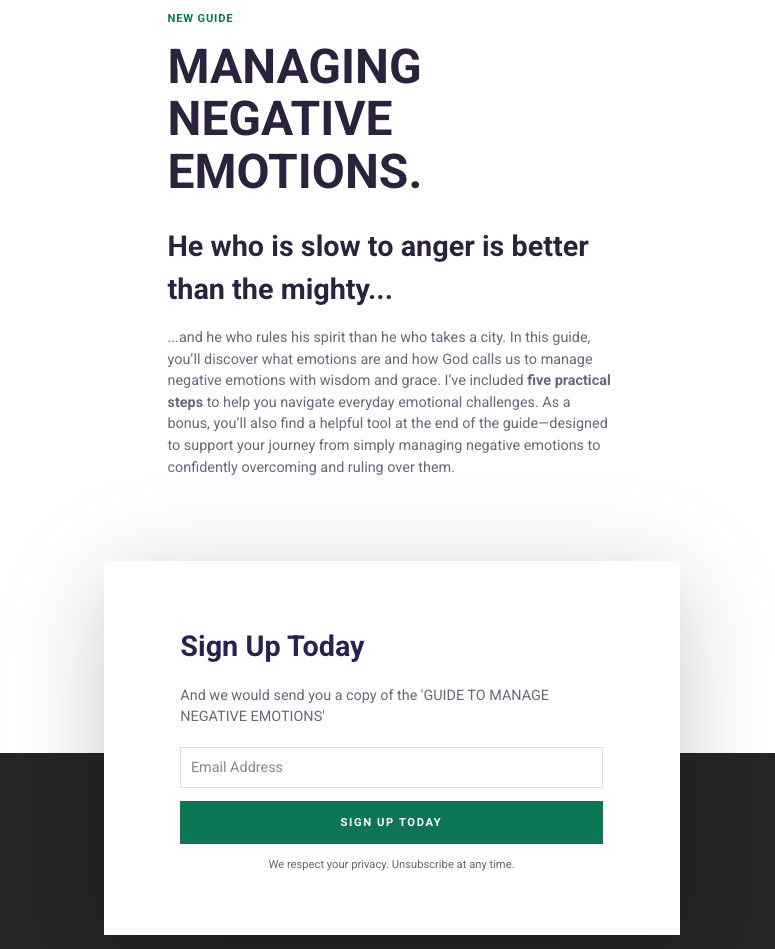
- Download a copy of “Managing Negative Emotions Guide”
- Join my community to engage in prayers and accountability.
Book a free 30 minutes consultation with me (below) to unpack negative thinking patterns.
Use the GUIDE BELOW to evaluate your emotions. It also offers practical and biblical methods to manage negative emotions experienced in betrayal.
GET YOUR GUIDE ON MANAGING NEGATIVE EMOTIONS
Share your story in the comments and with others.
Your experience can bring light and encouragement to someone else navigating the same struggle. If this post helped you, share it with a friend who may be silently battling fear










Leave a comment